The Story
Gyrocopter
According to the Director General of Civil Aviation (DGCA), Gyroplane/ Gyrocopter is defined as a rotorcraft with a non-power-driven rotor rotating about an axis which is vertical or nearly so, when the aircraft is in horizontal flight.
- Larger Flight Envelope
- On Spot Landing Possible
- Highly Agile & Nimble
- Superbly Maneuverable
- Robust & Safest
- Very Small Takeoff
- Cost Effective
- Minimal Radar Signature
- Low Noise
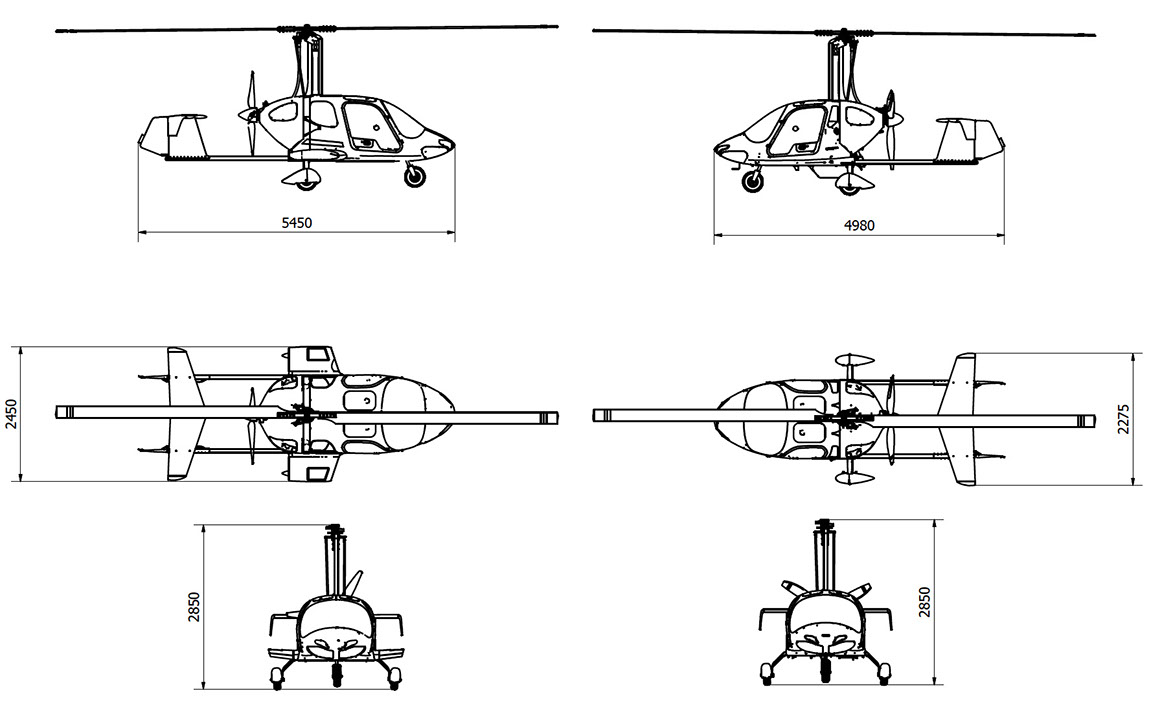
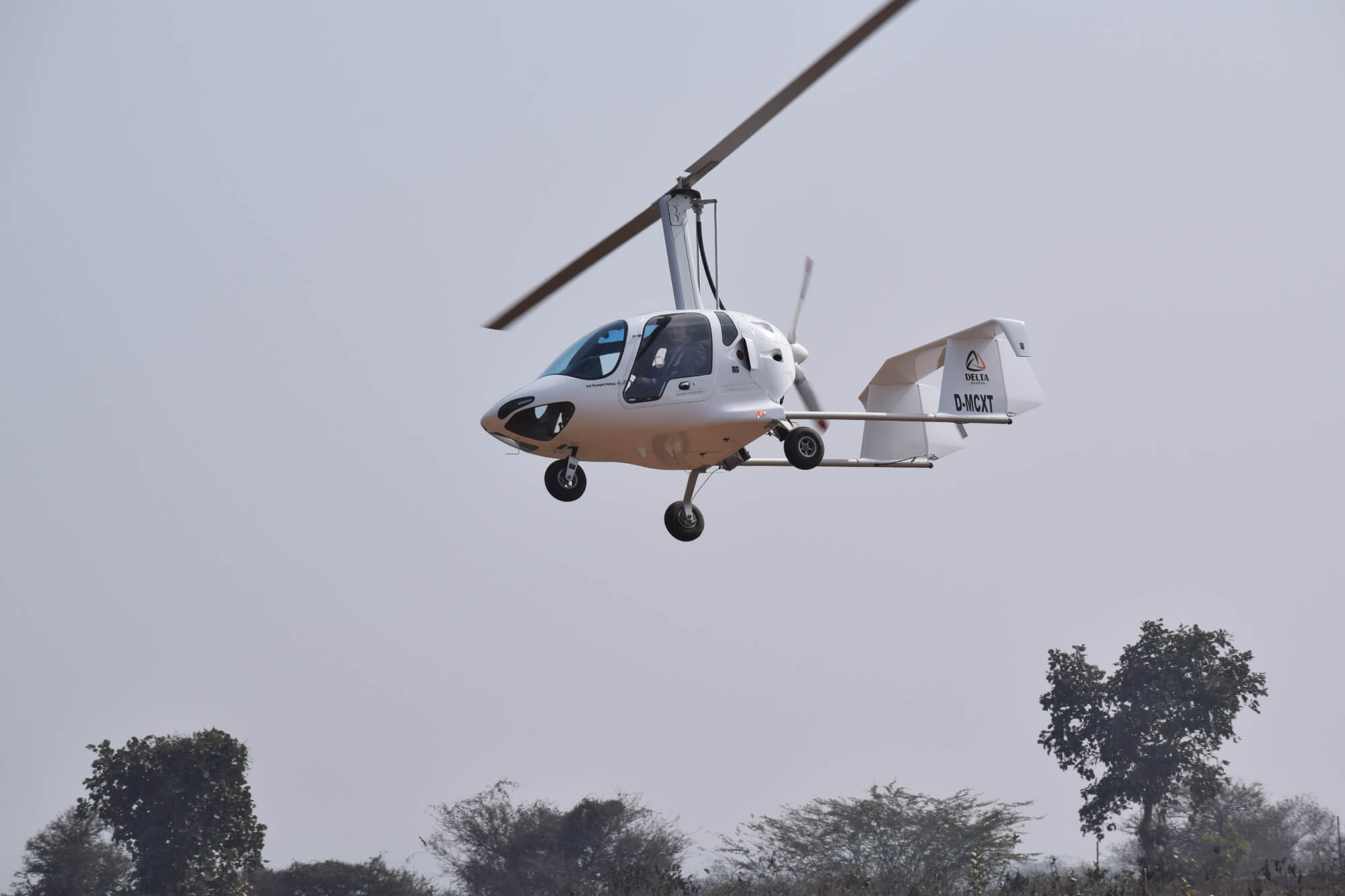
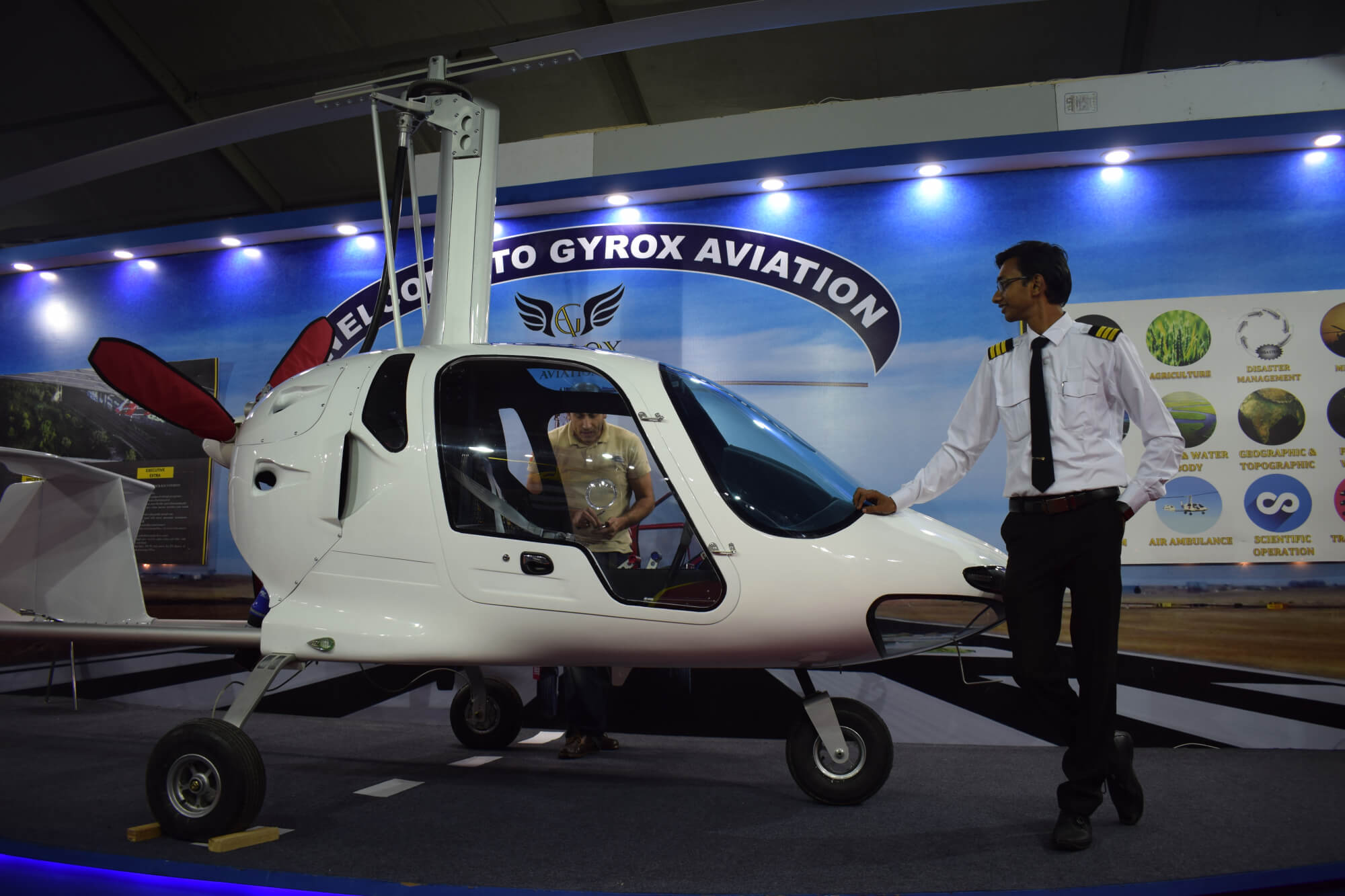
Gyrocopters are certified aircrafts. Looks like a small helicopter; main difference – no engine turning main rotor. Unlike helicopter, rotor not powered directly by engine but self-propels by action of relative airflow on blades
Able to fly extremely slowly while being very agile. Due to autorotating rotor blades, impossible to stall. Short take-off (50 m) & landing distances (10 m) enables to take-off almost vertically & land with high approach angles
Safest aircrafts in world. If thrust-generating propeller fail, rotary-wing stays in autorotation. Allows pilot to slowly & safely land. As engine is not connected to rotors, it is not affected, even if engine stops during flight. This together with a very short landing roll makes Gyrocopters safest flying machine
Can be flown safely & steadily under both strong wind & turbulent conditions
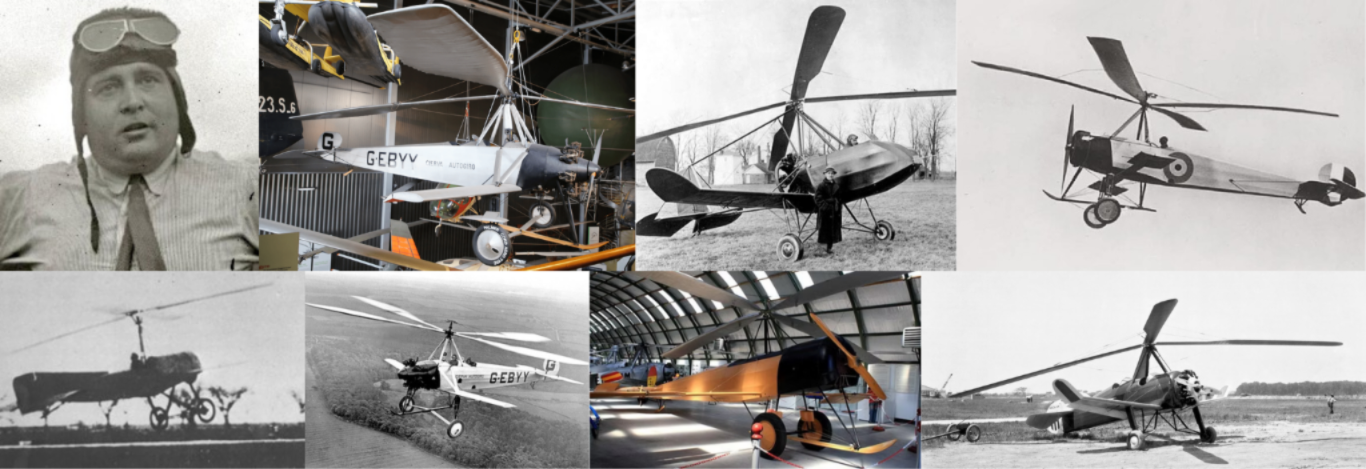
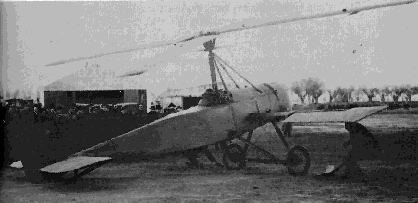
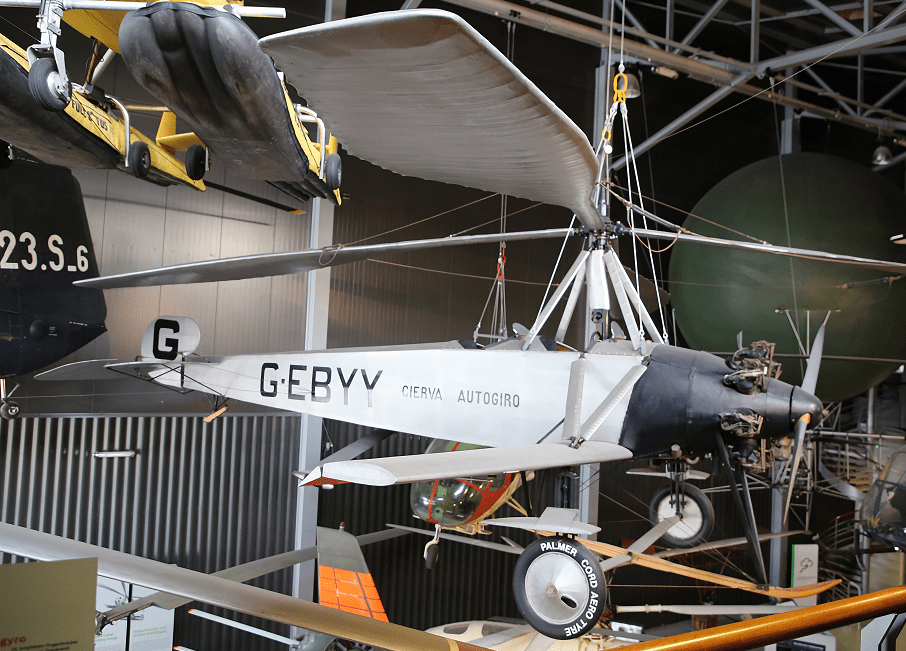
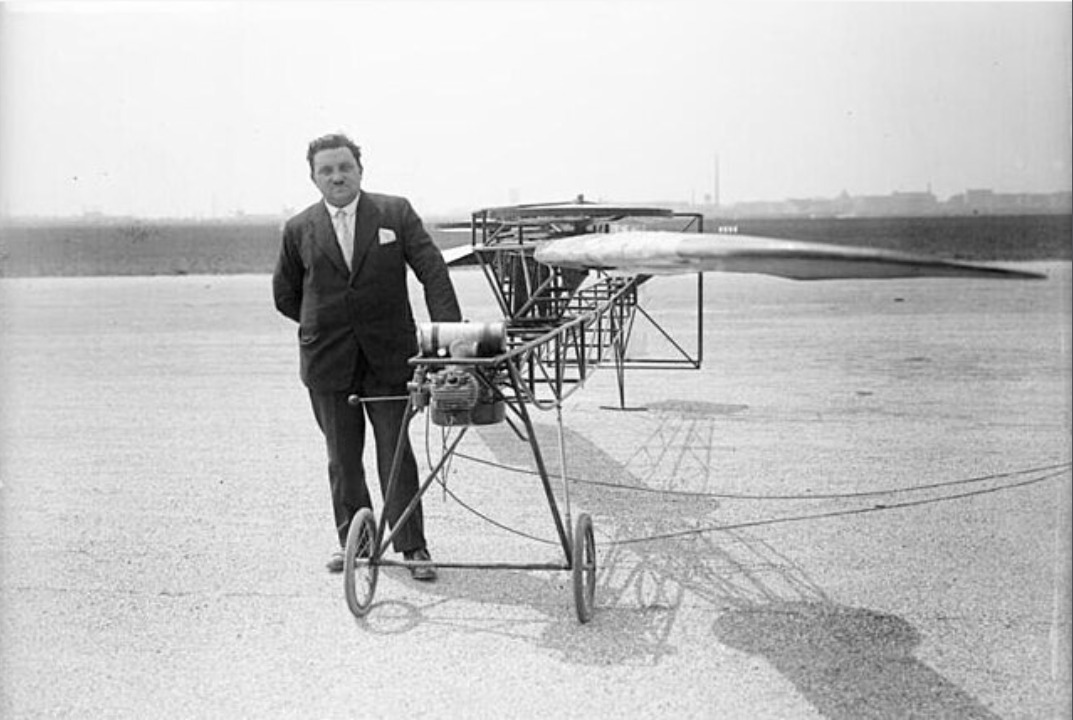
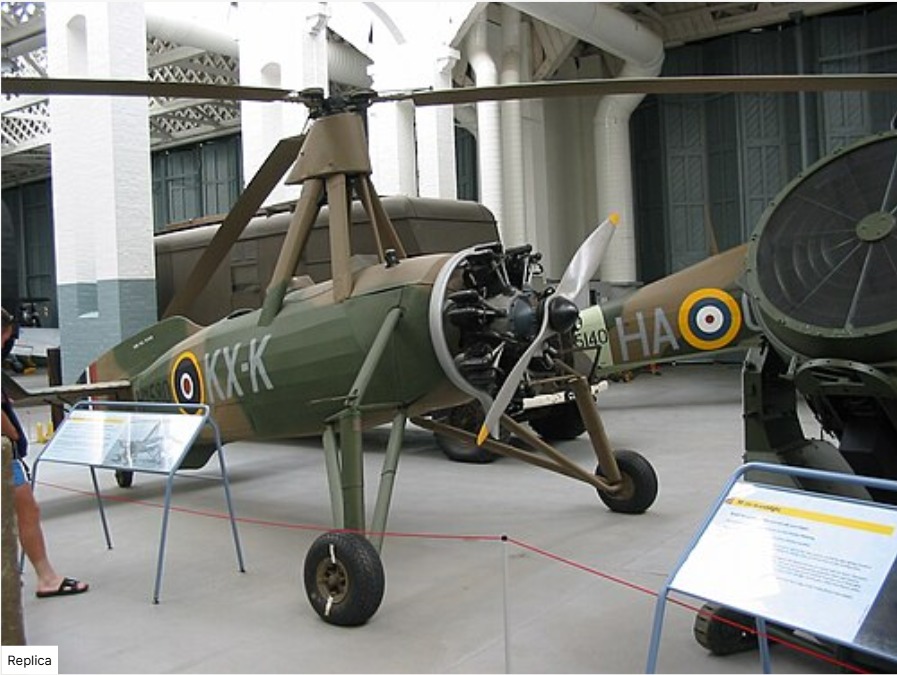
Juan de la Cierva was a Spanish engineer, inventor and pilot.
After his bomber design stalled and crashed in 1921, he focused on creating an aircraft that could fly safely at low airspeeds.
This led to the invention of the Gyroplane (Gyrocopter) in 1923, the first successful rotorcraft and a predecessor to the modern helicopter.
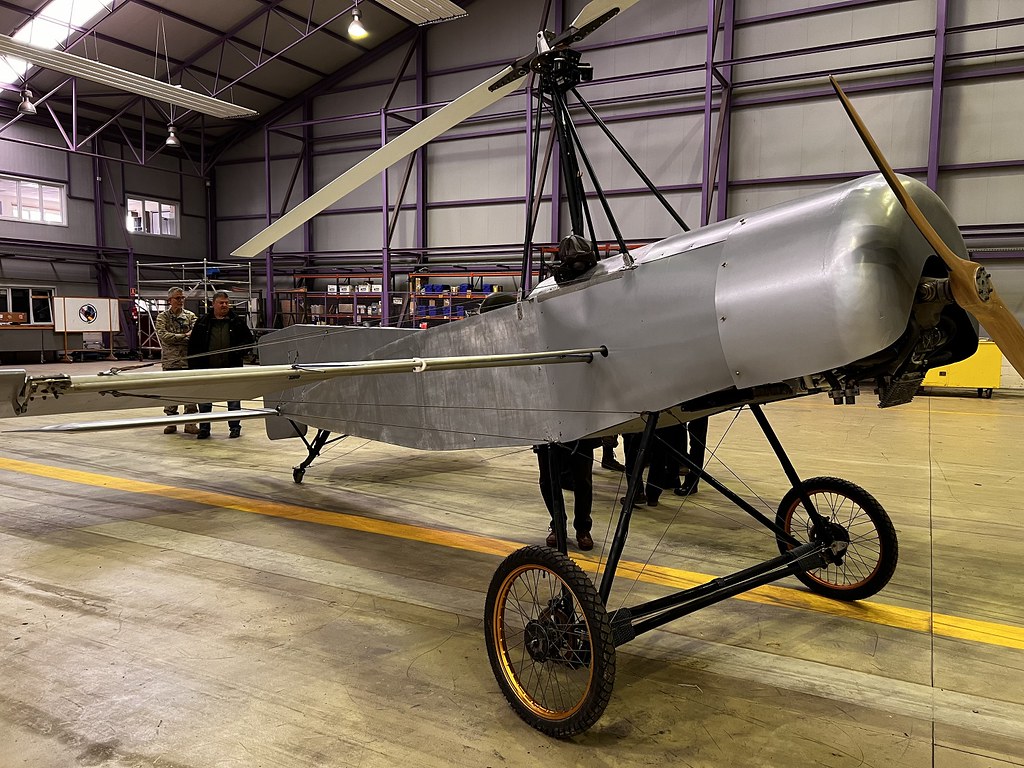
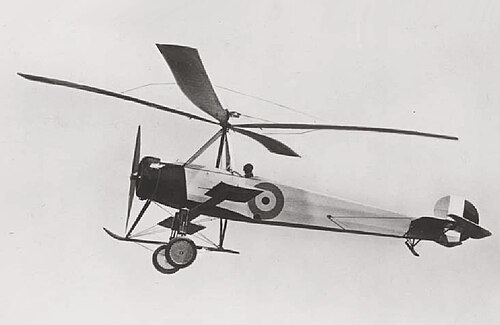
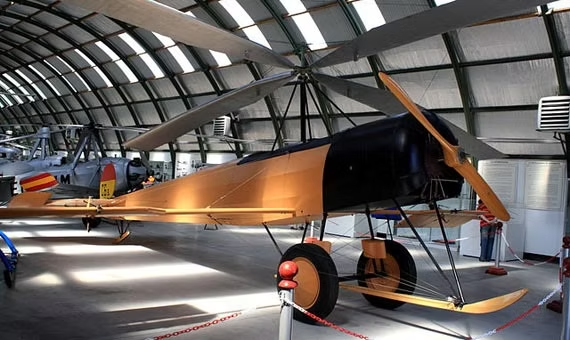
The gyrocopter featured an airplane fuselage, a forward propeller, and an unpowered rotor.
After four years of experimentation following his unsuccessful bomber design. His first three prototypes, the C.1, C.2 and C.3, were all unstable due to rotor deficiencies.
The fourth design, the C.4, was the first successful model, achieving its inaugural documented flight on January 17, 1923, at Cuatro Vientos airfield in Madrid, Spain, piloted by Alejandro Gomez Spencer.
The C.4 Gyrocopter used flapping hinges to attach the rotor blades. This allowed the blades to move up and down to compensate for dissymmetry of lift (uneven lift in forward flight). This proved the autogyro’s safety when an engine failure led to a slow, safe landing.
Running out of funds, De la Cierva developed the C.6 model with help from Spain’s Military Aviation.
This model successfully flew in February 1925, completing a notable 10.5 km (6.5 mile) flight in about eight minutes.
Following a demonstration for the British Air Ministry in October 1925, de la Cierva partnered with James G. Weir to form the Cierva Autogiro Company in England, making Britain the world center for gyrocopter development.
A February 1926 crash (due to blade root failure) prompted a key rotor hub improvement.
A drag hinge was added alongside the flapping hinge. This allowed the blades to move fore and aft, relieving the in-plane stresses caused by the flapping motion.
This improved design led to the Cierva C.8, which made history on September 18, 1928, by completing the first rotorcraft crossing of the English Channel.
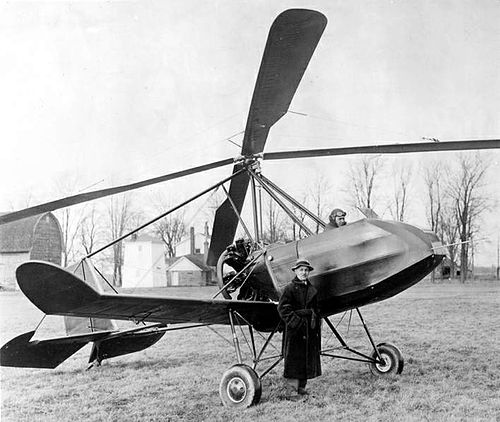
US industrialist Harold Frederick Pitcairn was highly impressed by the autogiro’s safe vertical descent.
After a test flight in 1928, Pitcairn bought a Cierva C.8 L.IV, which arrived in the US on December 11, 1928, as the C.8W.
This led to licensing the Gyrocopter for production to companies like the Pitcairn Autogyro Company (US) and Focke-Wulf (Germany).
Meanwhile, Pitcairn’s Gyrocopter development focused on “prerotating” the rotor for takeoff. Initial methods used ropes or tail flaps on the ground (first tested on the C.19 in 1929) to speed up the rotor.
The problem was finally solved in 1932 when the Pitcairn-Cierva’s Gyrocopter Company developed an engine-driven mechanical transmission for efficient prerotation.
Buhl A-1 (1931), the Buhl Aircraft Company created the A-1, the first Gyrocopter with a propulsive rear motor (push propeller), designed for aerial observation.
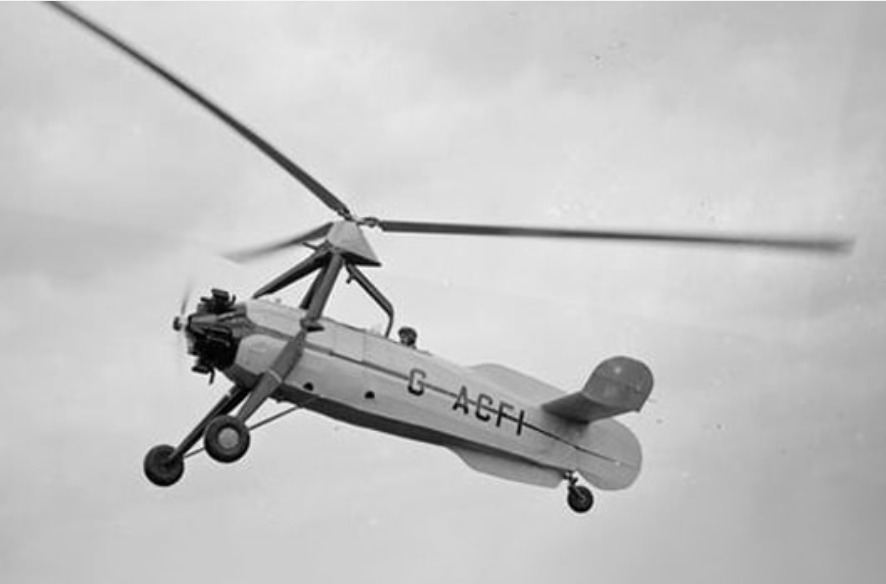
Direct Control Rotor Hub (1934): To fix control loss at low speeds, de la Cierva developed the direct control rotor hub, allowing the pilot to tilt the rotor. This design was used on the Cierva C.30 series.
Milestones: The C.30 became the first rotorcraft to land on a ship deck (March 1934, on the Dédalo). Later that year, a Gyrocopter was used for the first military reconnaissance flight during the Asturias revolt.
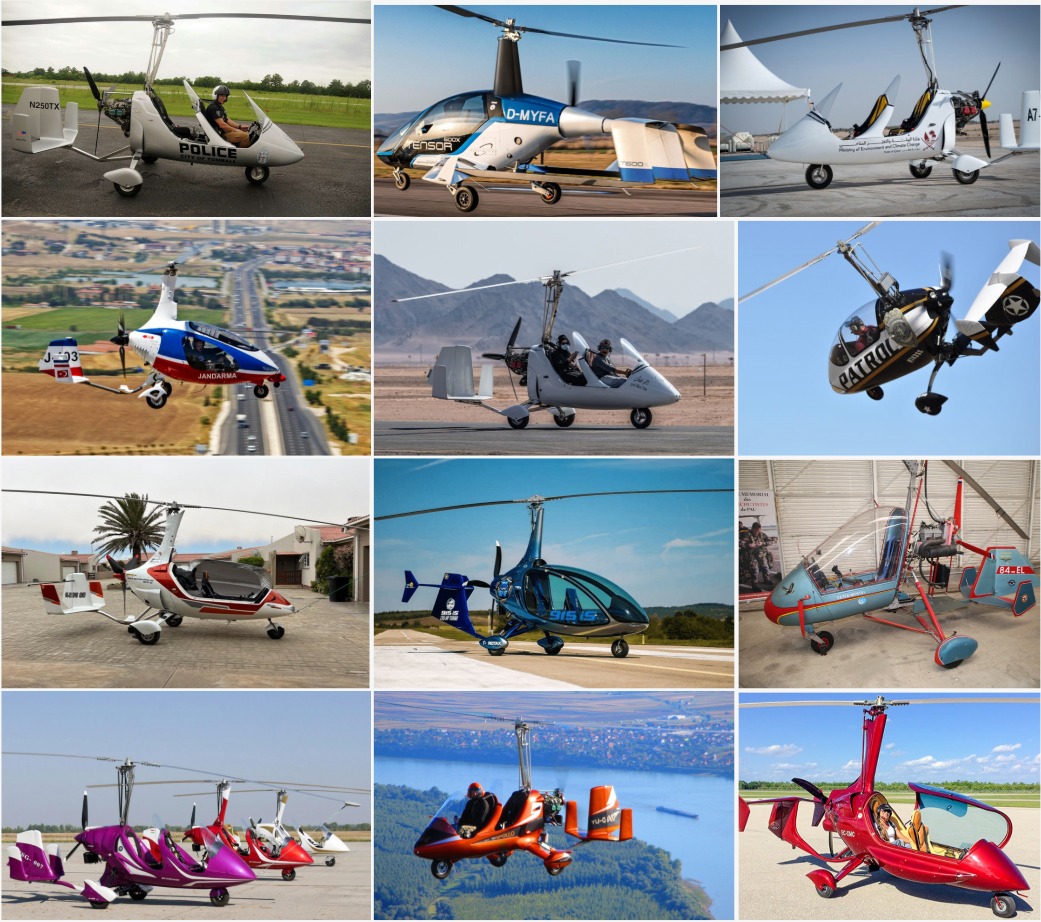
Gyroplane (or Gyrocopters) were largely neglected after the rise of the helicopter due to practical limitations like ground resonance. However, the modern gyrocopter has seen a resurgence: today, they are used for multifarious applications (including recreation, surveillance, defence & law enforcement) in over 20 countries globally.
Gyrox Aviation is founded in 2013 and got recognised as Startup by ‘Dept for Promotion of Industry & Internal Trade’ (DPIIT) on 02 Sep 2015.
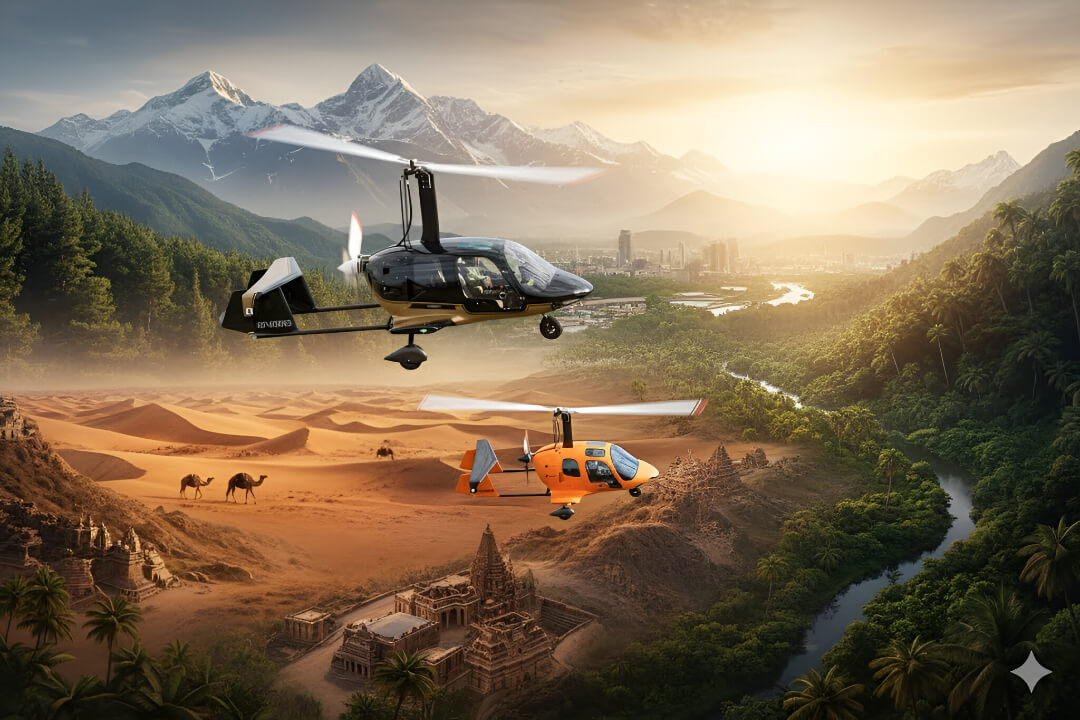
A 100% Indian Aviation Startup which had identified utility of Gyrocopters, as an aerial platform, with multifarious applications for Defence, CPOs, State Police, Disaster Management, Air Ambulance, Forest Surveillance, River & Water Body Management, Hydroelectric, Pipeline and Powerline Survey, Adventure Tourism, Agriculture, Last Mile Connectivity, Tea Gardens, Scientific Operations & Aerial Photography and many other departments
No Rules & Regulations existed on Gyrocopters in 2016. Gyrox Aviation is the only Indian Startup selected by DGCA for being part of JWG for “Revision of Aircraft Rules 1937 & Formulation of Regulations on all aspects of Gyrocopters”, under orders of DGCA in Apr 2016.
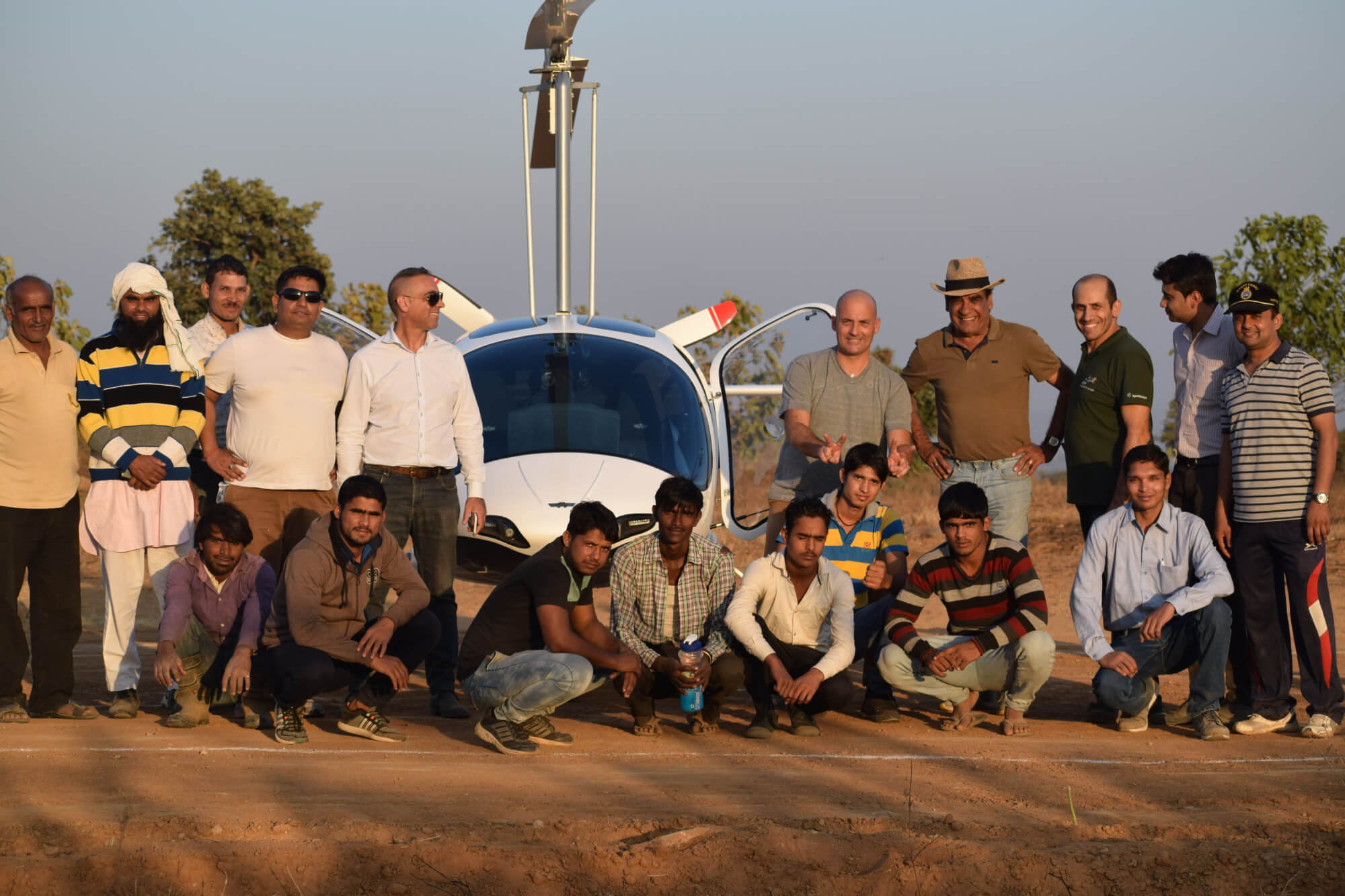
Gyrox Aviation Pvt Ltd is the first Indian Aviation Startup to import & conduct ‘Live Flying Demo’ of foreign registered Gyrocopter in 2016 for Defence, CPOs & Govt Organisations / PSUs.
Gyrox Aviation’s vision is to make flying affordable and accessible to every Indian. To realize this vision, we are introducing Gyrocopters in India, which are simple, safe and easy to operate & available at the cost of a high-end car.
In line with PM Shri Narendra Modi’s Vision of ‘Make in India’ and ‘Atmanirbhar Bharat’ initiatives, we are committed to indigenous innovation & manufacturing, fostering local ecosystems and building aviation solutions tailored for Indian conditions.
Gyrox Aviation Private Limited is an 100% Indian Startup,which has identified the utility and versatility of gyrocopter as an aerial platform with multifarious applications in the Defence, Central Police Organisations (CPOs), State Police for law enforcement, disaster management, medical evacuation and various other organisations.
Founded in 2015 by Col Rampal Suhag (Retd), is the only Indian Startup, selected by DGCA, in 2016, for being part of the ‘Joint Working Group’ for revision of Aircraft Rules 1937; to include gyroplane, its definition, training, licesing aspects & formulation of Civil Aviation Requirements (CARs).
As a consequence of our sustained follow-up, the DGCA, in 2016, issued an order to frame necessary rules and civil aviation requirements on gyrocopter design, certification, maintenance, operations & personnel. Gyrox Aviation with its dedication and perseverance, finally managed to gets its CAR on design aspects in 2023.
We already have all desired technology transfer mechanisms in place through a Joint Venture and have rights for assembly and manufacturing in India. We have on board the fresh technical minds required for the necessary R&D. Our plant location and airstrip are available in Delhi NCR.