Last-mile Connectivity
Flying Past the Barriers: Unlocking India's Remote Regions with Gyrocopters
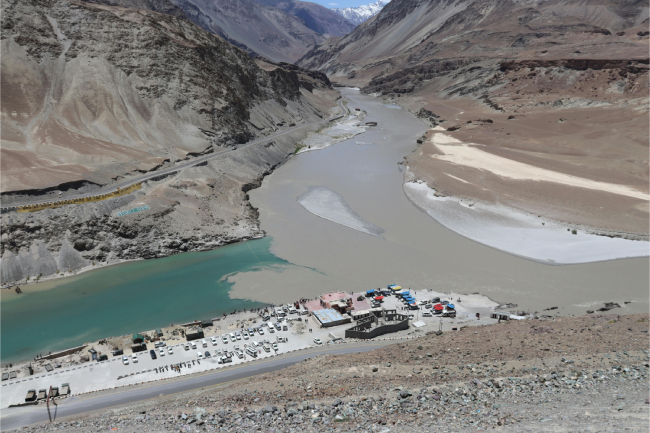
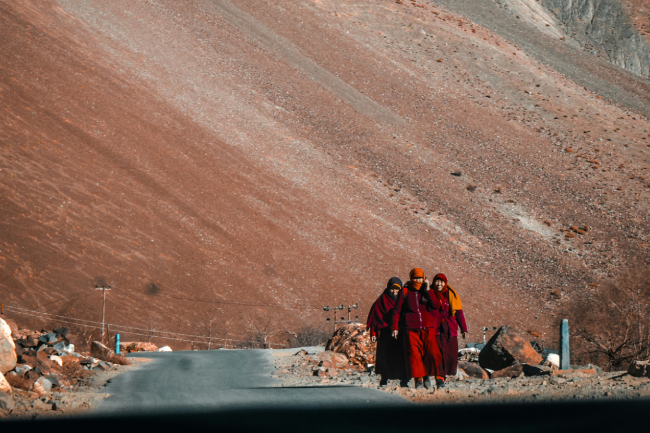
In many regions across India—particularly the North-East, hilly terrain, and island territories like Andaman & Nicobar—the final stretch of travel remains the most challenging. Poor infrastructure, limited road access, and long travel times hamper economic development, emergency services, and even basic mobility. Gyrocopters offer a game-changing solution to this problem. With their ability to operate from short and semi-prepared landing zones, they can connect hard-to-reach villages, hilltop communities, and remote islands directly to district hubs, reducing dependency on overburdened road or rail systems.
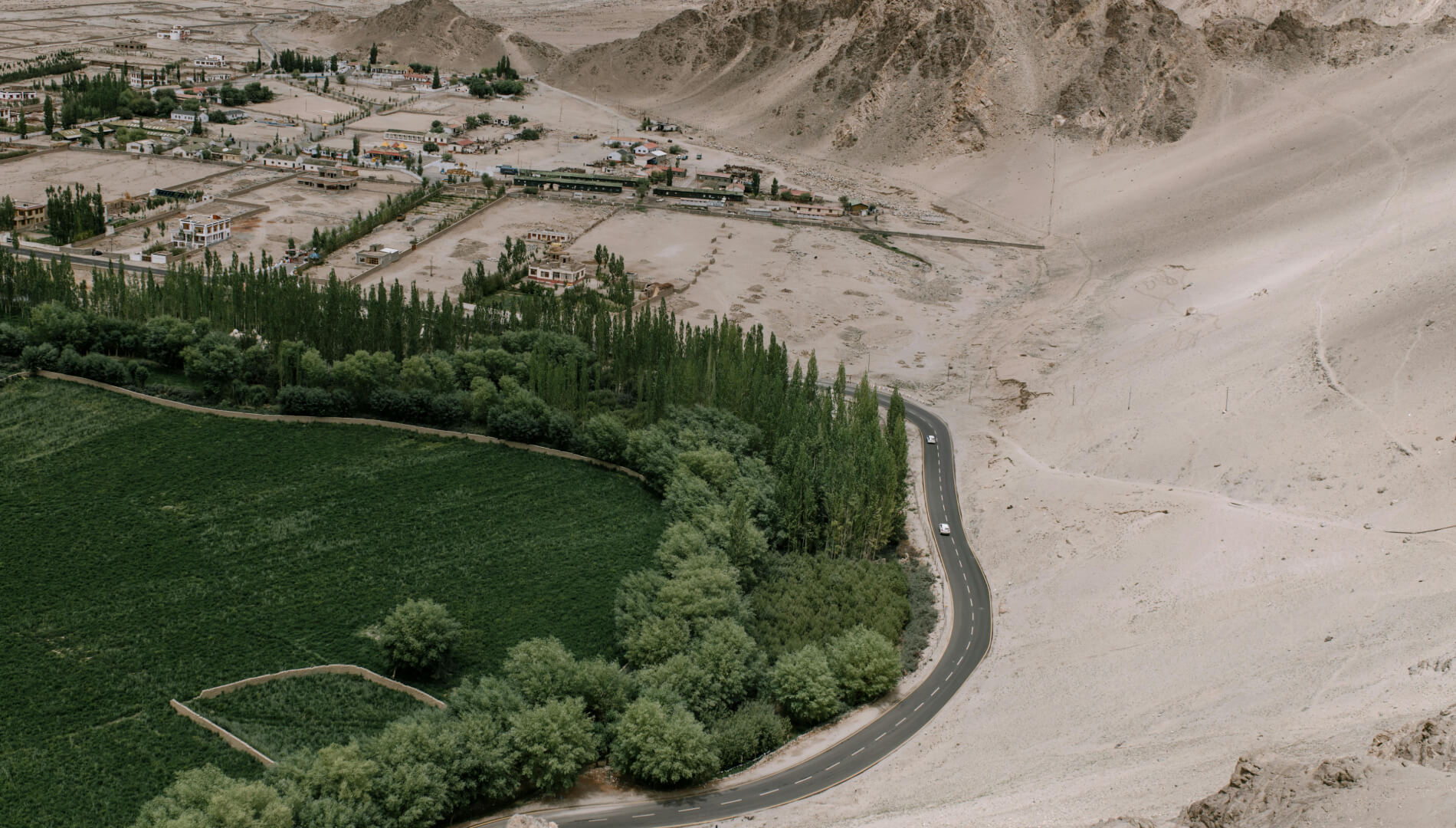
Unlike conventional helicopters, gyrocopters are lightweight, cost-effective, and require minimal maintenance, making them highly suitable for scalable deployment in rural and underserved areas. Their *STOL (Short Takeoff and Landing)* capability allows operations in challenging terrain with limited infrastructure investment. Government agencies and regional planners can leverage gyrocopters to support public healthcare, administrative access, emergency logistics, and even educational outreach in areas previously considered unreachable by air.
Moreover, these rotorcraft can double as platforms for media and communication, enabling aerial documentation, tourism promotion, and environmental observation in remote zones. This not only opens up last-mile regions to essential services but also introduces new possibilities for sustainable development and cultural integration. As India looks to strengthen regional inclusivity, gyrocopters stand out as a practical and visionary tool to bridge the nation’s mobility divide.