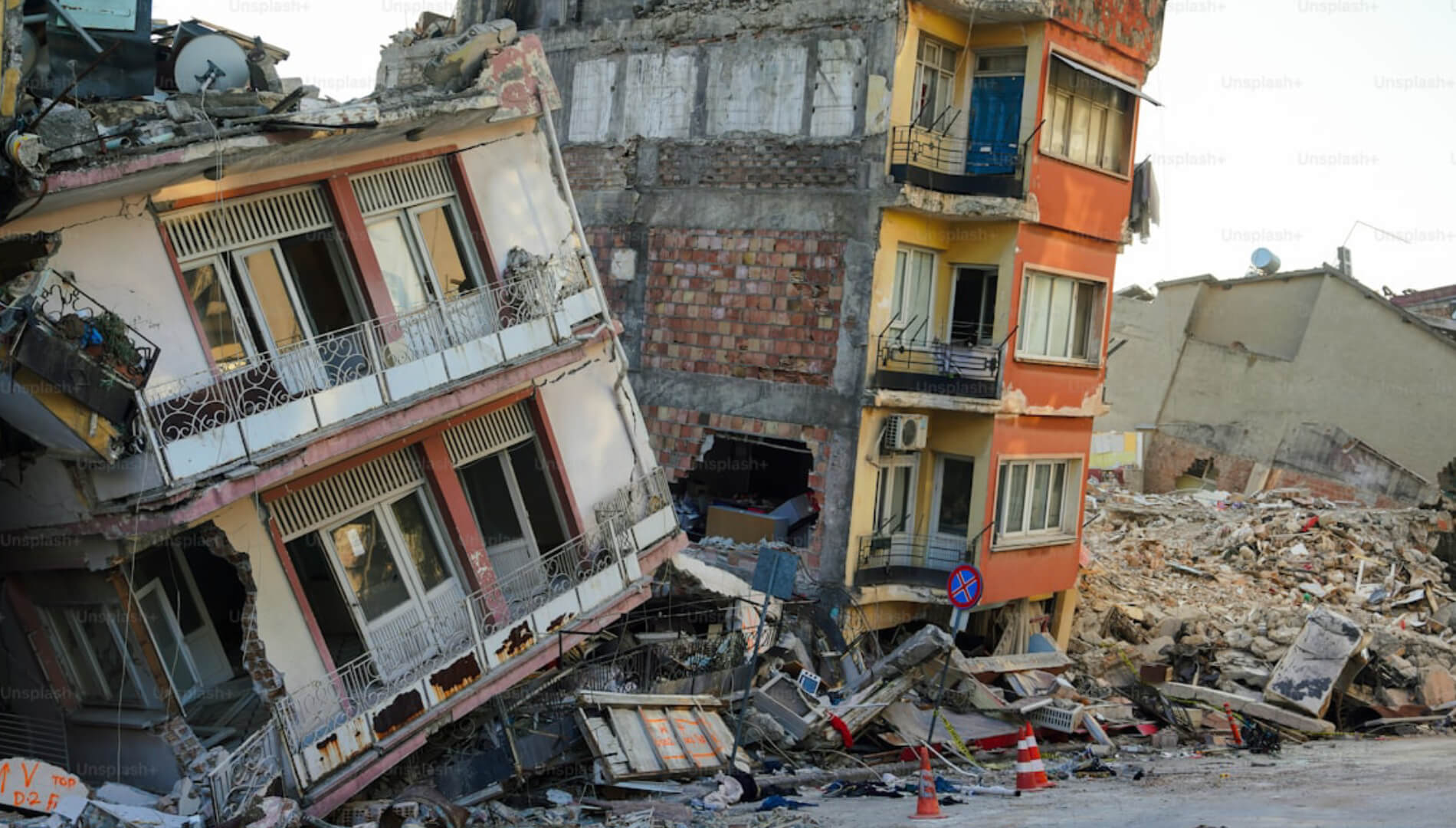
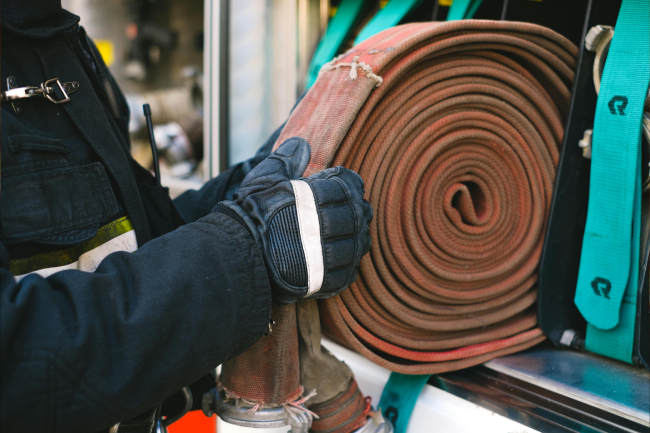
In times of natural disasters such as floods, earthquakes, or landslides, rapid response is critical. Traditional road-based rescue teams often face delays due to damaged infrastructure or inaccessible terrain. Gyrocopters offer a transformative solution by enabling swift aerial deployment to affected zones. Their ability to operate from short or improvised runways allows them to reach remote locations faster than conventional aircraft, providing timely support to first responders.
Equipped with high-visibility cabins and the ability to fly at low altitudes, gyrocopters are ideal for real-time assessment of disaster-hit areas. They can be deployed for tasks such as damage mapping, locating stranded individuals, and relaying situational awareness to control centers. Their compact size, fuel efficiency, and low operational costs make them an optimal choice for government agencies like NDRF, SDRF, or State Disaster Management Authorities, especially when time and resources are limited.
In medical emergencies, gyrocopters can also function as point-to-point medevac carriers in scenarios where helicopters are unavailable or cost-prohibitive. Whether it’s transporting medical supplies or evacuating critically injured individuals from disaster zones, gyrocopters bridge the gap between ground-based challenges and aerial accessibility—making them a highly effective asset in modern disaster response infrastructure.